Networking Basics: Understanding the Foundation of Modern Connectivity

I am excited to continue my learning journey in DevOps. I believe that DevOps is the future of software development, and I am excited to be a part of the movement.
Networking Basics
Networking is the process of connecting two or more devices together to share information and resources. The most common type of network is a computer network, which allows computers to communicate with each other and share data. In this blog, we will cover the basics of networking and the different types of networks.
Types of Networks
There are three main types of networks: LAN, WAN, and MAN.
Local Area Network (LAN)
A Local Area Network (LAN) is a network that connects devices within a small geographical area, such as a home, office, or school. LANs are typically used to share resources such as printers, files, and internet connections.
Wide Area Network (WAN)
A Wide Area Network (WAN) is a network that connects devices across a large geographical area, such as different cities or countries. WANs are typically used to connect LANs together, allowing users to access resources from different locations.
Metropolitan Area Network (MAN)
A Metropolitan Area Network (MAN) is a network that connects devices within a city or metropolitan area. MANs are typically used by businesses and organizations to connect their different locations within a city.
Network Devices
Several types of network devices are used to connect devices and manage network traffic.
Router
A router is a network device that connects multiple networks together and manages the traffic between them. Routers are used to connect devices to the internet and to create LANs and WANs.
Switch
A switch is a network device that connects devices within a LAN and manages the traffic between them. Switches are used to create LANs and to connect devices such as computers, printers, and servers.
Modem
A modem is a network device that connects a computer or router to the internet. Modems are used to transmit data over telephone lines or cable lines.
Network Protocols
Network protocols are a set of rules that govern the communication between devices on a network. Several network protocols are commonly used, including:
TCP/IP
TCP/IP is the most common network protocol used on the internet. It is a set of rules that governs the communication between devices on a network.
HTTP
HTTP is a network protocol used to transfer data over the internet. It is used by web browsers to request and receive web pages.
FTP
FTP is a network protocol used to transfer files over the internet. It is commonly used to upload and download files to and from a web server.
Network Topology
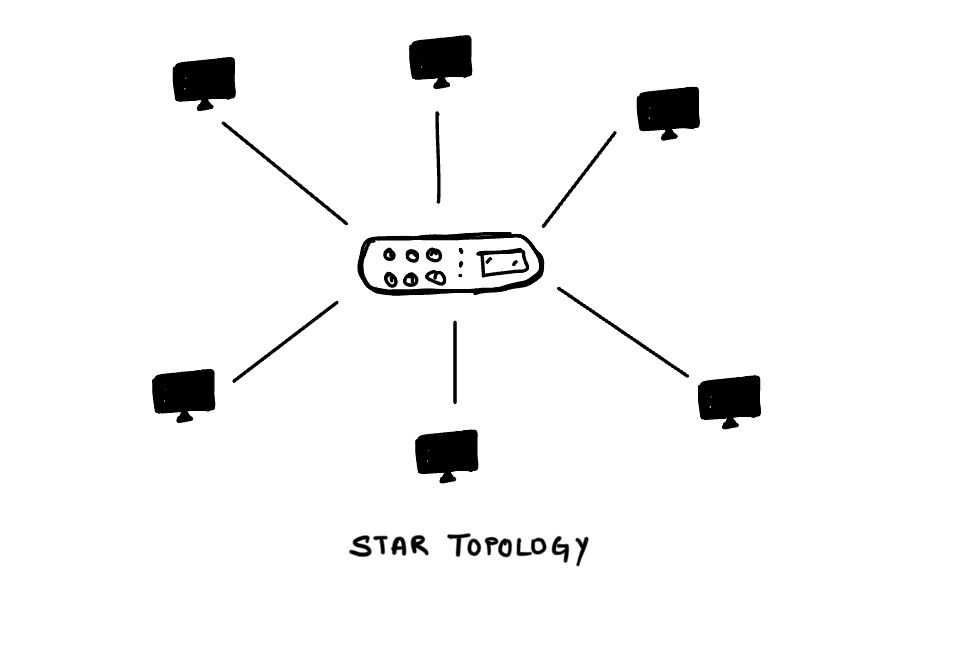
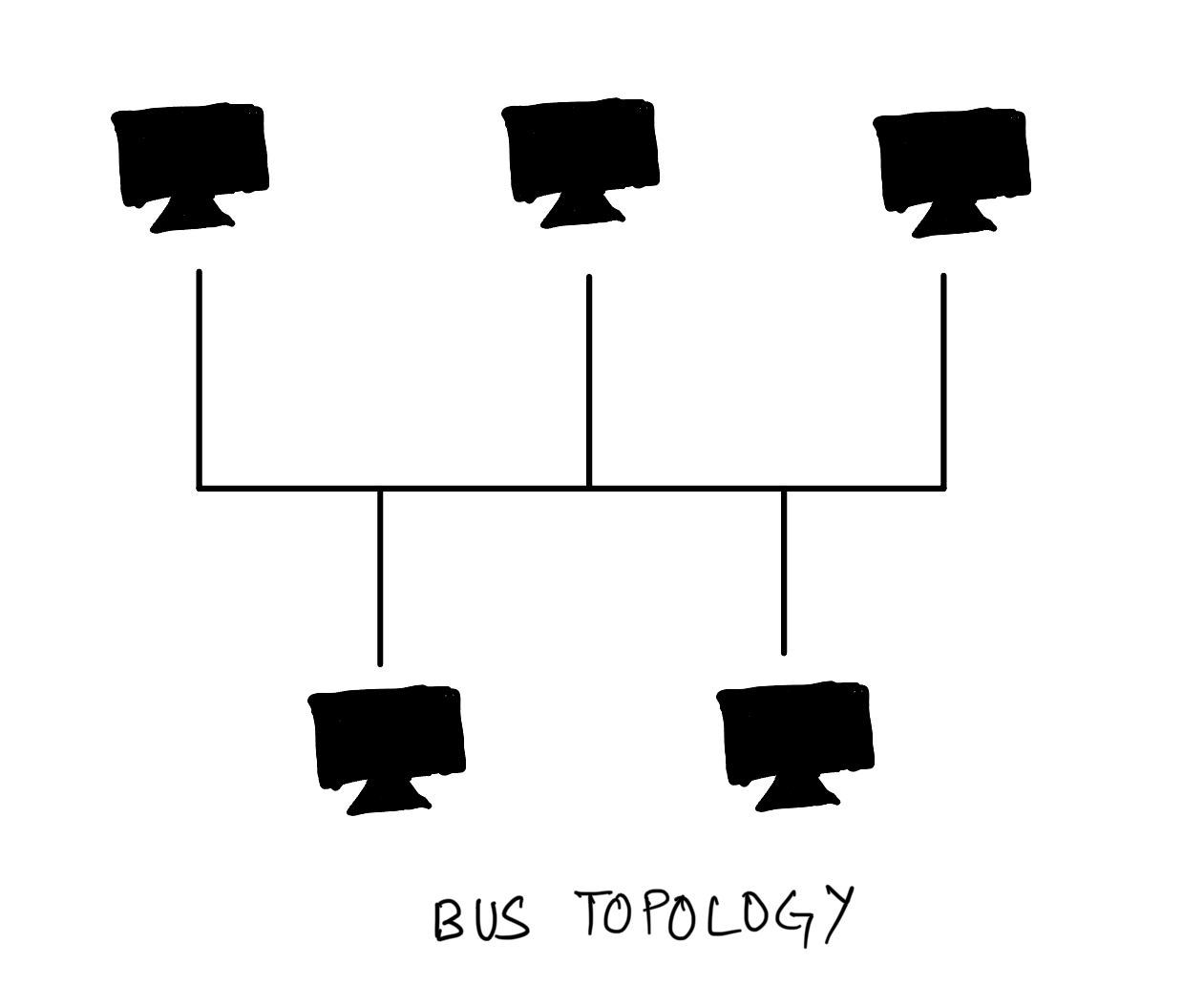
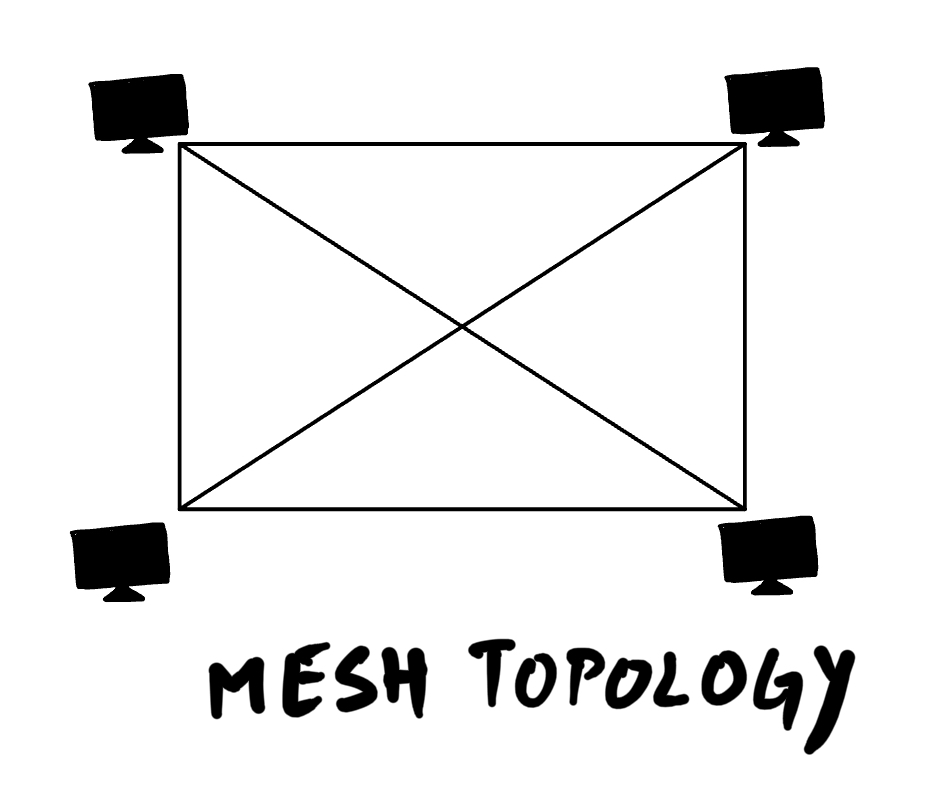
The topology of a network refers to the way that the devices on the network are physically connected. There are many different network topologies, but some of the most common types include:
Star topology: In a star topology, each device is connected to a central hub or switch.
Bus topology: In a bus topology, all of the devices on the network are connected to a single cable.
Ring topology: In a ring topology, the devices on the network are connected circularly.

Mesh topology: In a mesh topology, each device is connected to every other device on the network.
Network Security
Network security is important to protect the data and devices on a network from unauthorized access. There are many different ways to secure a network, but some of the most common methods include:
Firewalls: A firewall is a device that blocks unauthorized access to a network.
Intrusion detection systems (IDSs): An IDS is a system that monitors a network for signs of unauthorized access or malicious activity.
Intrusion prevention systems (IPSs): An IPS is a system that actively blocks unauthorized access or malicious activity.
Encryption: Encryption is a method of scrambling data so that it cannot be read by unauthorized users.


